Knee Replacement Recovery Stages: From Hospital Stay to Full Mobility

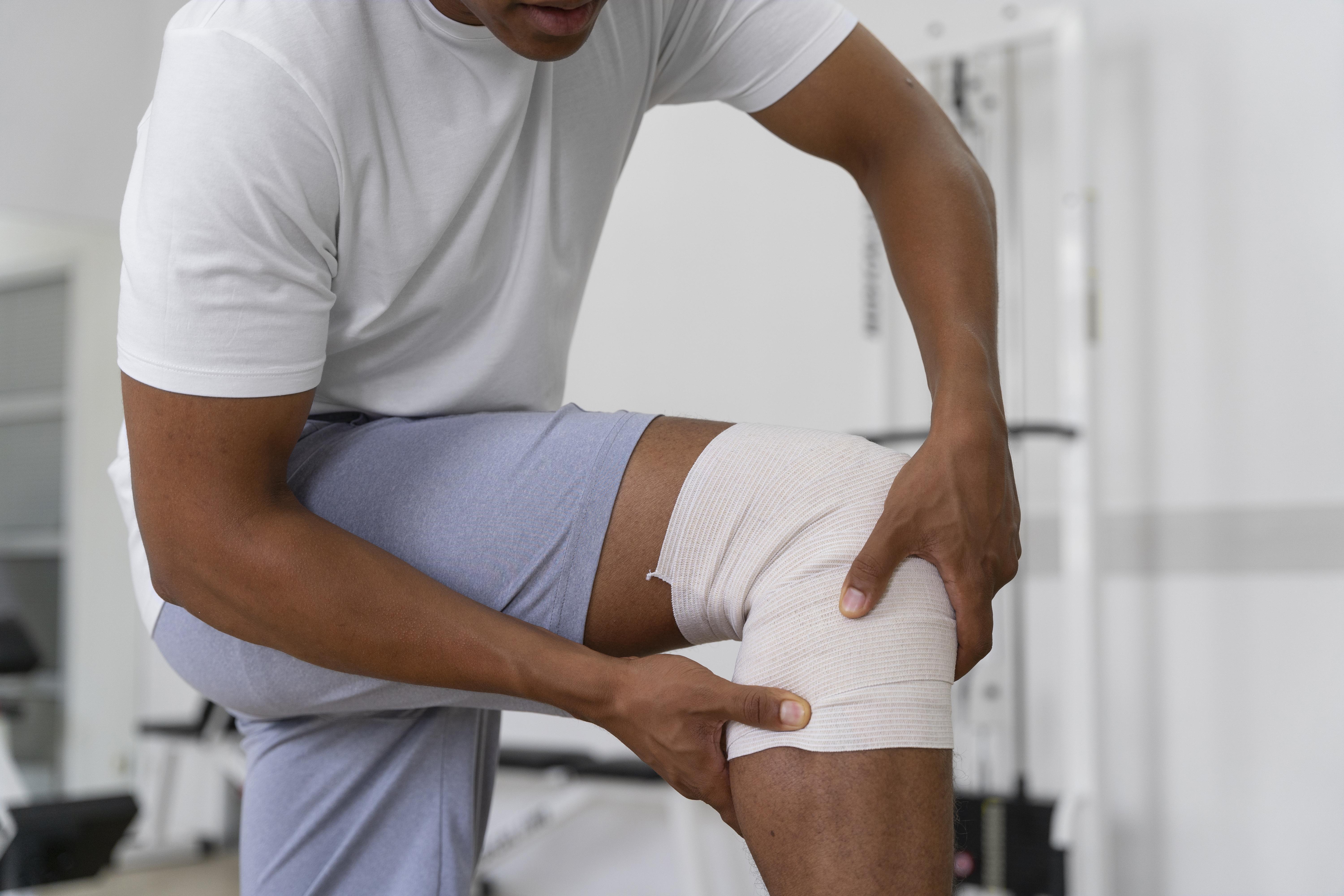
Knee replacement surgery is a structured journey rather than a single event. While the surgical procedure corrects joint damage, recovery determines how successfully patients return to daily life. Each stage of recovery plays a critical role in restoring strength, flexibility, and confidence.
This blog explains Knee Replacement Recovery step by step—from the hospital stay to full mobility—helping patients understand what to expect and how to progress safely.
Stage 1: Hospital Recovery After Surgery
Immediate Post-Surgery Care
After total knee replacement surgery, patients are closely monitored for pain control, circulation, and early movement. Within 24 hours of tkr surgery, most patients are encouraged to sit, stand, and begin gentle walking with support.
Key focus areas during hospital stay:
- Pain management
- Wound monitoring
- Early knee movement
- Prevention of stiffness and blood clots
Hospitals with advanced recovery protocols, especially a top orthopedic hospital in india, ensure early rehabilitation begins safely.
Stage 2: First Week After Discharge
Transition to Home Recovery
Once discharged, patients enter a critical phase of Knee Replacement Recovery. Swelling and stiffness are common, but regular movement is essential.
Patients typically:
- Walk short distances with a walker
- Perform basic knee-bending exercises
- Follow medication and wound-care instructions
This phase strongly influences overall knee replacement surgery recovery time.
Role of Nursing Care in Early Recovery
A structured nursing care plan for osteoarthritis patients helps ensure:
- Safe movement techniques
- Proper wound care
- Medication compliance
- Emotional reassurance
This support reduces complications and builds confidence during early recovery.
Stage 3: Weeks 2–4 – Building Mobility and Strength
During this stage, recovery becomes more active. Physiotherapy focuses on improving:
- Knee bending and straightening
- Muscle strength around the joint
- Balance and walking pattern
Patients gradually reduce dependence on walking aids and begin to feel more stable.
Importance of Physiotherapy in Recovery Stages
Physiotherapy is the backbone of recovery after total knee replacement. Consistent therapy:
- Prevents stiffness
- Improves joint alignment
- Enhances long-term function
Patients who follow therapy schedules closely achieve smoother transitions between recovery stages.
Stage 4: Weeks 4–8 – Functional Independence
At this stage, most patients can:
- Walk indoors without support
- Climb stairs carefully
- Sit and stand comfortably
Swelling continues to reduce, and confidence improves. This is when patients begin noticing clear differences before and after knee replacement surgery.
Emotional Adjustment During Mid-Recovery
As physical recovery improves, emotional well-being also stabilizes. However, some patients may still experience:
- Fear of falling
- Anxiety about progress
- Temporary frustration
Support from family and healthcare professionals plays an important role in maintaining motivation.
Stage 5: 2–3 Months – Return to Daily Activities
By this phase, patients resume many normal activities such as:
- Driving short distances
- Light household work
- Outdoor walking
The joint feels stronger, and pain is significantly reduced. Recovery progress becomes more noticeable and rewarding.
Long-Term Recovery: 6 Months and Beyond
Complete recovery from knee replacement is gradual. Over time:
- Muscles regain full strength
- Joint movements feel more natural
- Endurance improves
Patients who undergo surgery at the Best Hospital for Total Knee Replacement in Delhi NCR often benefit from long-term follow-up care and guided rehabilitation.
Factors That Influence Recovery Speed
Recovery stages vary based on:
- Age and general health
- Body weight
- Consistency with physiotherapy
- Quality of surgical care
Choosing the best knee replacement surgeon in delhi ncr ensures precise implant placement and smoother progression through recovery stages.
Cost Awareness and Recovery Planning
Understanding total knee replacement cost in india helps patients plan recovery without financial stress. Transparent cost planning allows access to:
- Quality implants
- Structured physiotherapy
- Follow-up consultations
Financial preparedness supports uninterrupted recovery.
Lifestyle Habits That Support Full Recovery
To protect the new joint, patients should:
- Maintain a healthy weight
- Stay physically active
- Avoid high-impact activities
- Continue strengthening exercises
These habits extend implant life and improve long-term comfort.
Life After Full Recovery
Once recovery is complete, most patients experience:
- Long-term pain relief
- Improved mobility
- Better sleep quality
- Greater independence
The transformation seen before and after knee replacement surgery often restores confidence and quality of life.
Choosing the Right Care Team Matters
Successful recovery depends on teamwork—surgeon, physiotherapist, nurses, and patient. Hospitals recognized as the Best Hospital for Total Knee Replacement in Delhi NCR provide:
- Advanced rehabilitation programs
- Experienced orthopedic teams
- Patient-focused recovery plans
Final Thoughts
Knee replacement recovery happens in stages, each requiring patience, effort, and guidance. Understanding these stages helps patients stay motivated and avoid unrealistic expectations.
With expert care, structured rehabilitation, and support from the right medical team, Knee Replacement Recovery leads to full mobility and a more active, pain-free life.
Comments
Join the discussionNo comments yet. Be the first to comment.

